
Toyota Corolla Cross: For safety and security
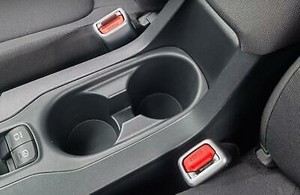 Ensuring the security and safety of the car and its occupants is the focus of this chapter. It includes a variety of tools, protocols, and features designed to reduce hazards and improve safety in a range of driving situations. An explanation and description of the airbags, seatbelts, and collision avoidance systems, among other passive and active safety measures, that come standard on the Corolla Cross. Guidelines for performing safety inspections to find possible problems or defects in components connected to safety. This could entail examining the structural integrity, seatbelt functionality, and airbag systems. An overview of security features including the immobilizer and anti-theft alarm system that are intended to stop theft and unlawful access to the car.
- For safe use
- Before driving
- For safe driving
- Seat belts
- Correct use of the seat belts
- Fastening and releasing the seat belt
- SRS airbags
- Front passenger occupant classification system
- Exhaust gas precautions
- Child safety
- Riding with children
- Child restraint systems
- Points to remember
- When using a child restraint system
- Child restraint system compatibility for each seating position (for Puerto Rico)
- Child restraint system fixed with a seat belt
- Child restraint system fixed with a child restraint LATCH anchor (except for Puerto Rico)
- Child restraint system fixed with an ISOFIX lower anchorage (for Puerto Rico)
- Using an anchor bracket (for top tether strap) (except for Puerto Rico)
- Using a top tether anchorage (for Puerto Rico)
- Emergency assistance
- System components
- Subscription
- Safety Connect LED light Indicators
- Safety information for Safety Connect
- Theft deterrent system


